


Understanding Meniscus Strain and Its Daily Impact
The meniscus plays a crucial role in knee stability, acting as a shock absorber between the femur and tibia. Whether the strain comes from sports, lifting, aging, or a previous injury, meniscus-related discomfort can significantly affect mobility, comfort, and overall activity levels.
When the meniscus is irritated or partially damaged, even simple movements like walking, climbing stairs, or standing for long periods can become uncomfortable. Swelling, stiffness, and a catching sensation in the knee are common symptoms. Because this structure has limited blood supply, recovery tends to be slow and requires consistent, careful support.
This is where supportive recovery tools, particularly a quality knee massager uk, can play a helpful role in daily management and rehabilitation support.
Why Meniscus Recovery Requires Gentle, Consistent Care
Unlike muscle injuries that often respond quickly to increased blood flow, meniscus issues require a more controlled and low-impact recovery approach. Excess pressure or aggressive movement can aggravate the joint and delay healing.
The goal is not to force recovery, but to create an environment where the surrounding tissues remain relaxed, well-oxygenated, and flexible. Tight muscles around the knee—especially the quadriceps, hamstrings, and calves—can increase pressure on the joint, worsening discomfort in the meniscus area.
Consistent gentle care helps reduce this tension, making movement smoother and less painful over time.
How a Knee Massager Supports Meniscus Health
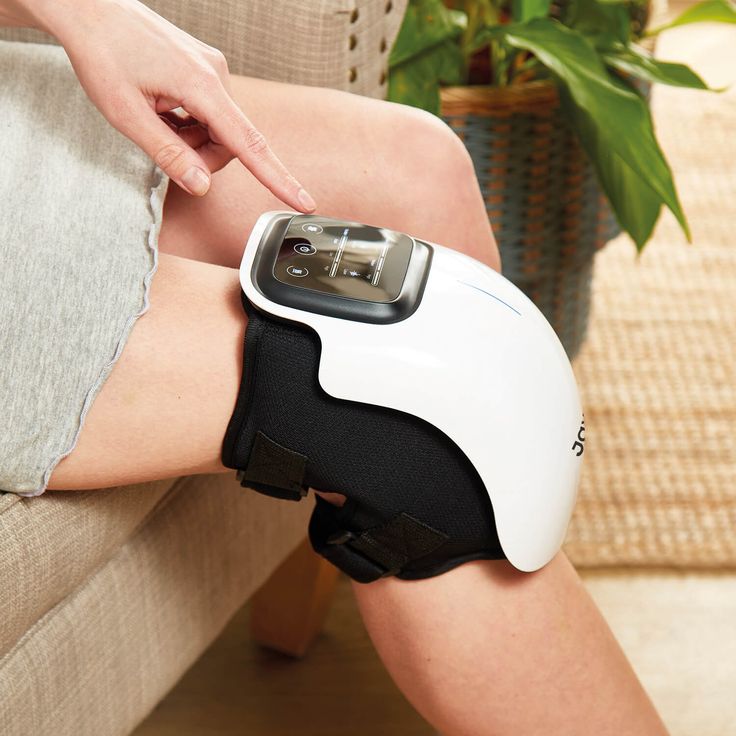
A high-quality knee massager is designed to deliver controlled relief through methods such as compression, heat therapy, and mild vibration. These features work together to support the knee without stressing the meniscus directly.
One of the most important benefits is improved circulation around the joint. Since the meniscus itself has limited blood supply, enhancing circulation in the surrounding tissues helps reduce inflammation and supports overall joint function. Better blood flow also assists in removing metabolic waste that can accumulate after activity, which often contributes to stiffness and discomfort.
Compression-based massage is especially useful because it provides even pressure around the knee joint. This helps reduce swelling without putting direct strain on the sensitive cartilage areas. When swelling decreases, movement typically becomes easier and less painful.
Heat functions, when available, further support recovery by relaxing tight muscles and improving tissue flexibility. This can be particularly beneficial for individuals who experience morning stiffness or discomfort after prolonged sitting.
Key Features to Look for in a Meniscus-Supporting Knee Massager
Not all knee massagers are suitable for sensitive joint conditions like meniscus strain. Choosing the right device is essential for safety and effectiveness.
A quality knee massager should offer adjustable intensity settings, allowing users to begin with very gentle pressure. This is important because overly strong stimulation can irritate an already sensitive joint.
Ergonomic wrap-around designs are also important. A well-fitted device ensures even distribution of pressure and avoids unnecessary strain on specific points of the knee. This helps maintain stability while providing consistent support.
Heat therapy is another valuable feature, as mild warmth encourages muscle relaxation and can reduce stiffness in the surrounding tissues. Combined with compression, it creates a balanced recovery environment for the knee.
Battery-powered and portable designs add convenience, allowing users to maintain recovery routines at home, at work, or during travel.
Safe Use for Meniscus Sensitivity
Using a knee massager for meniscus support requires careful attention to comfort and response. It should never cause sharp pain or increased swelling. Instead, the sensation should feel gentle, warm, and relaxing.
Short sessions of 10 to 15 minutes are typically sufficient, especially during early stages of discomfort. Overuse can lead to irritation rather than relief, so consistency is more important than intensity.
It is also important to avoid placing direct pressure on areas that feel inflamed or highly sensitive. Instead, the focus should be on surrounding muscle groups that influence knee alignment and joint pressure.
If symptoms worsen during use, it is best to stop and reassess with medical guidance.
The Role of a Knee Massager in Long-Term Joint Support
Meniscus issues are often long-term conditions that require ongoing management rather than quick fixes. A knee massager is not a cure, but it can be a valuable part of a broader support strategy that includes physiotherapy, strengthening exercises, and proper movement habits.
By keeping the surrounding muscles relaxed and improving circulation, it helps reduce daily strain on the joint. Over time, this can contribute to improved comfort and more stable mobility.
For individuals who want to remain active despite meniscus sensitivity, consistent recovery support can make a noticeable difference in quality of life.
Conclusion
Investing in a quality knee massager can be a practical and supportive choice for managing meniscus-related discomfort. Through gentle compression, improved circulation, and muscle relaxation, it helps reduce stress on the knee joint while promoting more comfortable movement.
While it should always be used alongside proper medical advice and rehabilitation strategies, a knee massager can serve as a reliable tool for daily support. For those dealing with meniscus strain, it offers a simple way to maintain mobility, reduce stiffness, and support long-term knee health.