


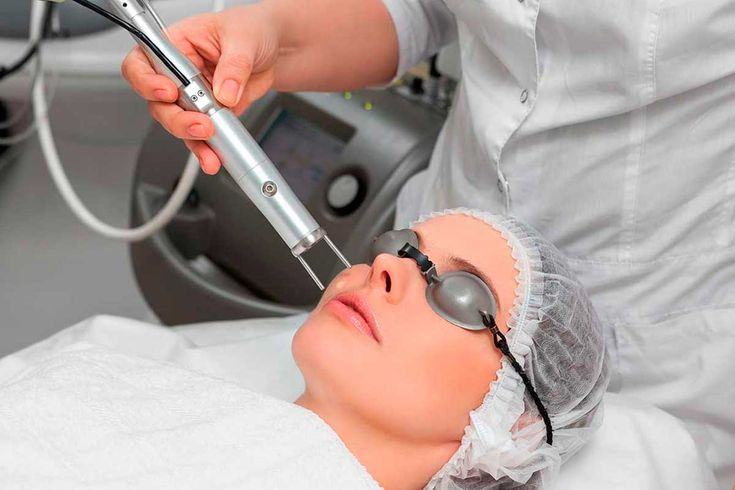
When shopping for a CO2 laser cutter or engraver, one of the most important decisions you’ll face is choosing between an RF (Radio Frequency) laser source and a glass tube laser source. Both technologies generate the same 10.6-micron CO2 Laser Resurfacing in The Woodlands wavelength, but they differ significantly in construction, performance, maintenance requirements, and cost.
Understanding the differences between RF and glass tube lasers can help you select the right machine for your applications, whether you’re a hobbyist, small business owner, or industrial manufacturer.
Understanding CO2 Laser Sources
A CO2 laser source is the component responsible for generating the laser beam used for cutting, engraving, and marking materials. The beam is created by exciting a mixture of gases, including carbon dioxide, within a sealed chamber.
The two most common methods of exciting these gases are:
- Glass tube technology
- RF (Radio Frequency) technology
Although both produce a CO2 laser beam, their operating characteristics are quite different.
What Is a Glass Tube CO2 Laser?
Glass tube lasers are the most widely used CO2 laser sources, particularly in entry-level and mid-range laser machines.
A glass tube laser consists of:
- A sealed glass cylinder
- Internal gas mixture
- High-voltage electrical excitation
- Water-cooling system
These systems are commonly found in laser cutters used for:
- Woodworking
- Acrylic fabrication
- Sign making
- Hobby projects
- Small business production
Advantages of Glass Tube Lasers
Lower Initial Cost
One of the biggest advantages of glass tube lasers is affordability. They provide a cost-effective entry point into laser cutting and engraving.
Higher Power for the Price
Glass tube systems often offer higher wattage at a lower cost compared to RF systems.
Excellent Cutting Performance
For cutting materials such as:
- Wood
- Acrylic
- Leather
- Fabric
Glass tube lasers provide strong and reliable performance.
Limitations of Glass Tube Lasers
Despite their popularity, glass tube lasers have some drawbacks:
- Larger physical size
- Slower pulse rates
- More maintenance requirements
- Water cooling needed
- Shorter lifespan compared to RF systems
These limitations may become important in high-production environments.
What Is an RF CO2 Laser?
RF lasers use radio-frequency energy to excite the gas mixture rather than relying on high-voltage electrical discharge within a glass tube.
RF systems typically feature:
- Metal laser tubes
- Sealed gas chambers
- Air cooling or advanced cooling systems
- Compact designs
They are commonly used in professional engraving and industrial marking applications.
Advantages of RF Lasers
Exceptional Beam Quality
RF lasers produce a smaller and more focused beam, allowing for:
- Finer detail
- Sharper engraving
- Improved precision
This makes them ideal for intricate work.
Faster Engraving Speeds
Because RF lasers can pulse much faster than glass tube systems, they often achieve:
- Higher engraving speeds
- Better image reproduction
- Improved productivity
Longer Service Life
Many RF laser sources offer significantly longer operating lifespans than traditional glass tube lasers.
Reduced Maintenance
Since RF systems often use sealed metal tubes and fewer consumable components, maintenance requirements are generally lower.
Cooling Requirements
Glass Tube Cooling
Glass tube lasers generate substantial heat and typically require water cooling.
Common cooling solutions include:
- Water pumps
- Chillers
- Reservoir systems
Maintaining proper coolant temperature is essential for tube longevity.
RF Cooling
Many RF laser sources utilize:
- Air cooling
- Integrated cooling systems
This simplifies machine setup and reduces maintenance complexity.
Comparing Engraving Performance
Glass Tube Engraving
Glass tube lasers can produce excellent engraving results, especially for:
- Signs
- Decorative products
- Personalized gifts
- Acrylic displays
However, their larger beam size may limit ultra-fine detail work.
RF Engraving
RF lasers excel when precision is critical.
Common applications include:
- Detailed graphics
- Photo engraving
- Fine text
- Product branding
- Industrial marking
For businesses focused heavily on engraving quality, RF technology often provides a noticeable advantage.
Comparing Cutting Performance
Interestingly, higher-powered glass tube lasers often outperform RF lasers in cutting applications.
Glass tube systems are particularly effective for:
- Thick acrylic
- Wood panels
- Leather products
- Fabric cutting
Many production shops prioritize glass tube lasers because of their cutting power and affordability.
RF systems can cut materials effectively as well, but they are often selected primarily for their engraving capabilities.
Cost Considerations
Glass Tube Systems
Benefits include:
- Lower purchase price
- Affordable replacement tubes
- Accessible entry point for beginners
These advantages make glass tube lasers attractive for startups and hobbyists.
RF Systems
Benefits include:
- Longer lifespan
- Reduced maintenance
- Superior engraving quality
However, RF lasers typically carry a significantly higher upfront cost.
For many users, the decision comes down to balancing budget against performance requirements.
Which Industries Prefer Each Technology?
Glass Tube Users
Common industries include:
- Sign making
- Woodworking
- Craft production
- Small manufacturing
- Personalized gift businesses
RF Laser Users
Common industries include:
- Industrial marking
- Medical device manufacturing
- Electronics production
- Luxury goods engraving
- High-precision branding
The intended application often determines which technology offers the greatest value.
Which Option Is Best for Beginners?
For most first-time laser buyers, a glass tube system is often the most practical choice because it offers:
- Lower investment costs
- Strong cutting performance
- Wide material compatibility
- Easy availability
Businesses that specialize in detailed engraving or require industrial-grade precision may find RF lasers worth the additional expense.
Final Thoughts
Both RF and glass tube CO2 laser sources have earned their place in modern manufacturing and fabrication. Glass tube lasers provide excellent value, powerful cutting capabilities, and affordability, making them ideal for many businesses and hobbyists. RF lasers, on the other hand, deliver superior beam quality, faster engraving speeds, longer service life, and exceptional precision.
The right choice depends on your priorities. If cutting performance and budget are your primary concerns, a glass tube laser may be the perfect fit. If your focus is high-speed engraving, intricate detail, and long-term durability, investing in an RF laser source could be the smarter long-term solution. Understanding these differences will help ensure you choose the laser technology best suited to your goals and projects.