


Introduction
Mobile gaming has transformed from casual fun into a billion-dollar industry with global reach. Among the many games that have captivated players, Exploring the Chicken Road Game: The Rise of Gambling Culture in Mobile Gaming opens the door to a deeper discussion: how gambling mechanics are subtly—and sometimes overtly—shaping the user experience in modern mobile games.
The Allure of Chicken Road Game
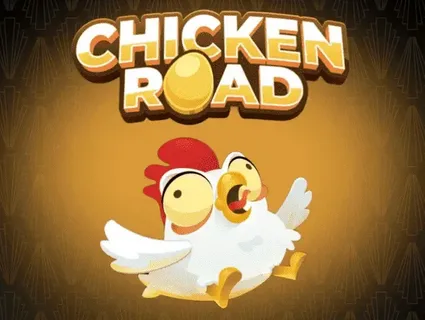
The Chicken Road Game is a deceptively simple mobile title, often portrayed as a harmless arcade-style game where players guide a chicken across a busy road. But beneath its whimsical surface lies a deeper engagement strategy: randomized rewards, daily spins, loot boxes, and tiered progression systems. These mechanics mirror those found in traditional gambling, keeping players coming back for more in the hope of unlocking something rare or valuable.
Gambling Culture in Disguise
Over the past decade, mobile game developers have increasingly adopted gambling elements to boost engagement and monetization. The term Exploring the Chicken Road Game: The Rise of Gambling Culture in Mobile Gaming encapsulates this trend, highlighting how a fun experience often comes wrapped in mechanisms designed to exploit human psychology—particularly the variable reward system.
Key components of this hidden gambling culture include:
- Loot Boxes: Digital crates or gifts that offer random prizes, usually requiring real or in-game currency.
- Daily Spins: “Free” chances to win rewards that often prompt purchases after repeated use.
- Pay-to-Win Mechanics: Systems where spending money gives a tangible advantage in gameplay.
While these features are legal in most regions, they mimic the addictive elements of slot machines and roulette wheels.
The Psychology Behind Player Engagement
At the heart of Exploring the Chicken Road Game: The Rise of Gambling Culture in Mobile Gaming lies behavioral psychology. Players are hooked not just by the gameplay, but by the anticipation of reward. Games employ strategies like:
- Scarcity: Limited-time events or rare rewards.
- Social Proof: Seeing friends achieve high scores or win rare items.
- Progression Loops: Reward systems that create a cycle of play, reward, and repeat.
These features, often dressed in bright colors and cheerful music, create a powerful feedback loop that makes players feel like they have to keep playing.
Regulation and the Future of Mobile Gaming
As the line between gaming and gambling blurs, regulators around the world are taking notice. Countries like Belgium and the Netherlands have banned certain types of loot boxes, and more may follow suit. Developers may soon need to rethink how they structure reward systems.
Meanwhile, players and parents must be more vigilant. Understanding the dynamics at play in titles like Chicken Road Game can help users make informed decisions about their gaming habits.
Conclusion
Exploring the Chicken Road Game Gambling Culture in Mobile Gaming isn’t just about one quirky title—it’s a window into a larger trend affecting millions of players. As mobile games continue to evolve, the industry must strike a balance between fun and ethical engagement. The responsibility lies with developers, regulators, and players alike to ensure that gaming remains entertaining without exploiting vulnerable behaviors.
