


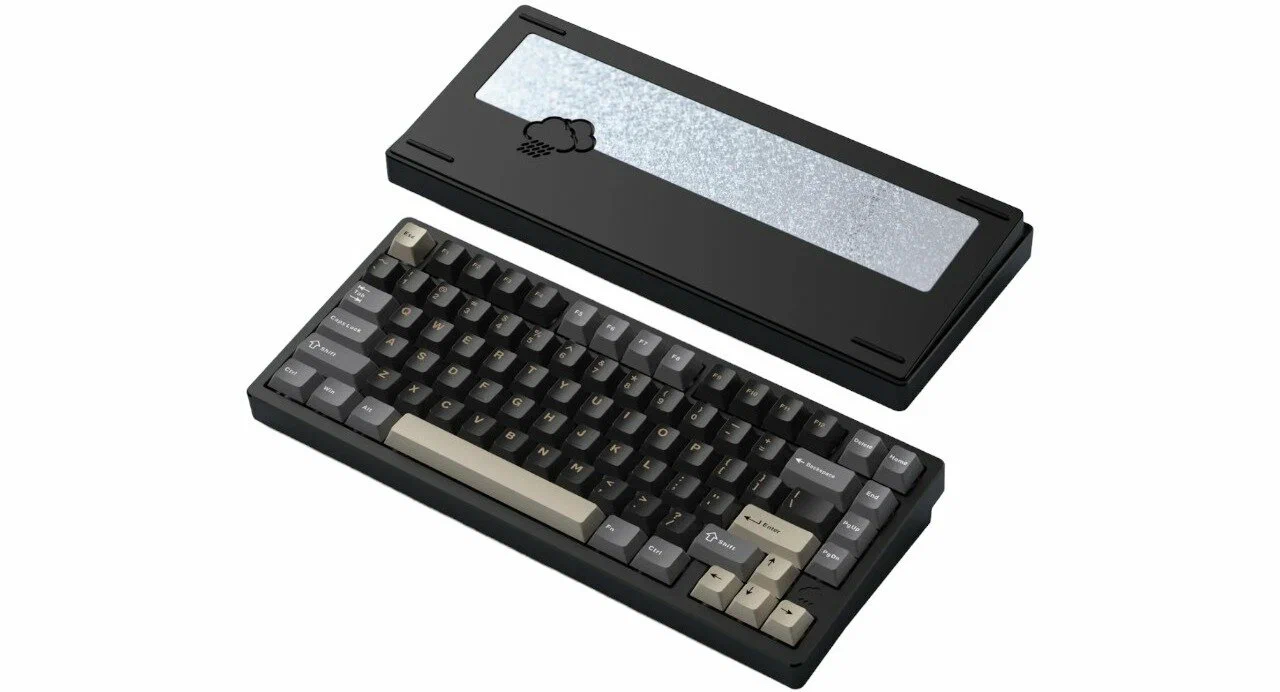
Mechanical keyboards have surged in popularity, not just for their tactile satisfaction but also for the unique sound each switch produces. If you’re in the market for a mechanical keyboard or simply curious about how different switches feel and sound, understanding 75 keyboard sound profiles: what to expect from each switch type is essential. This guide breaks down the sound characteristics of the most common mechanical switches and what you can expect from each.
Understanding Keyboard Switch Types
Mechanical switches can generally be categorized into three main types: linear, tactile, and clicky. Each type has a distinct feel and sound profile:
- Linear Switches: Smooth with no tactile bump, these switches are quiet and consistent. Popular examples include Cherry MX Red and Gateron Yellow. They are preferred for gaming due to fast key presses and minimal resistance.
- Tactile Switches: These switches have a noticeable bump at the actuation point but are less noisy than clicky switches. Examples include Cherry MX Brown and Zealios V2. They offer feedback without excessive sound, making them suitable for office and typing tasks.
- Clicky Switches: Designed for typists who enjoy auditory feedback, clicky switches like Cherry MX Blue or Kailh Box White produce a pronounced “click” with every keystroke. These switches are loud but extremely satisfying for those who enjoy audible confirmation.
75 Keyboard Sound Profiles: What to Expect from Each Switch Type
Exploring 75 keyboard sound profiles: what to expect from each switch type means diving into the subtle nuances between switches. While some switches sound similar, minor differences in spring tension, actuation force, and material can create a unique auditory experience.
- Linear Profiles: Expect smooth, almost silent operation, with variations in pitch and depth depending on the switch brand.
- Tactile Profiles: These provide a soft “thock” sound, with moderate volume and a sense of resistance.
- Clicky Profiles: Loud and crisp, clicky switches have a sharper sound and higher pitch, often preferred by typists who enjoy auditory cues.
Factors Influencing Keyboard Sound
Even within the same switch type, sound can differ due to several factors:
- Keycap Material: ABS vs. PBT keycaps affect resonance and tone.
- Keyboard Case Material: Aluminum cases amplify sound, while plastic cases dampen it.
- Lubrication and Dampening: Properly lubricated switches reduce scratchiness and soften the sound.
By considering these variables, you can fine-tune your keyboard to match your preferred sound profile.
Choosing the Right Switch for You
Understanding 75 keyboard sound profiles: what to expect from each switch type can help you make an informed choice. Gamers might prefer quiet linear switches for rapid keypresses, while writers and typists often gravitate toward tactile or clicky options for satisfying feedback. Ultimately, the right switch comes down to personal preference, typing style, and noise tolerance.
Conclusion
Exploring mechanical keyboards goes far beyond aesthetics—sound and feel play a critical role in the typing experience. By knowing 75 keyboard sound profiles: what to expect from each switch type, you can select the perfect keyboard that aligns with your needs, whether it’s for work, gaming, or casual typing enjoyment. The right switch can transform your daily interaction with your keyboard into a truly satisfying experience.