


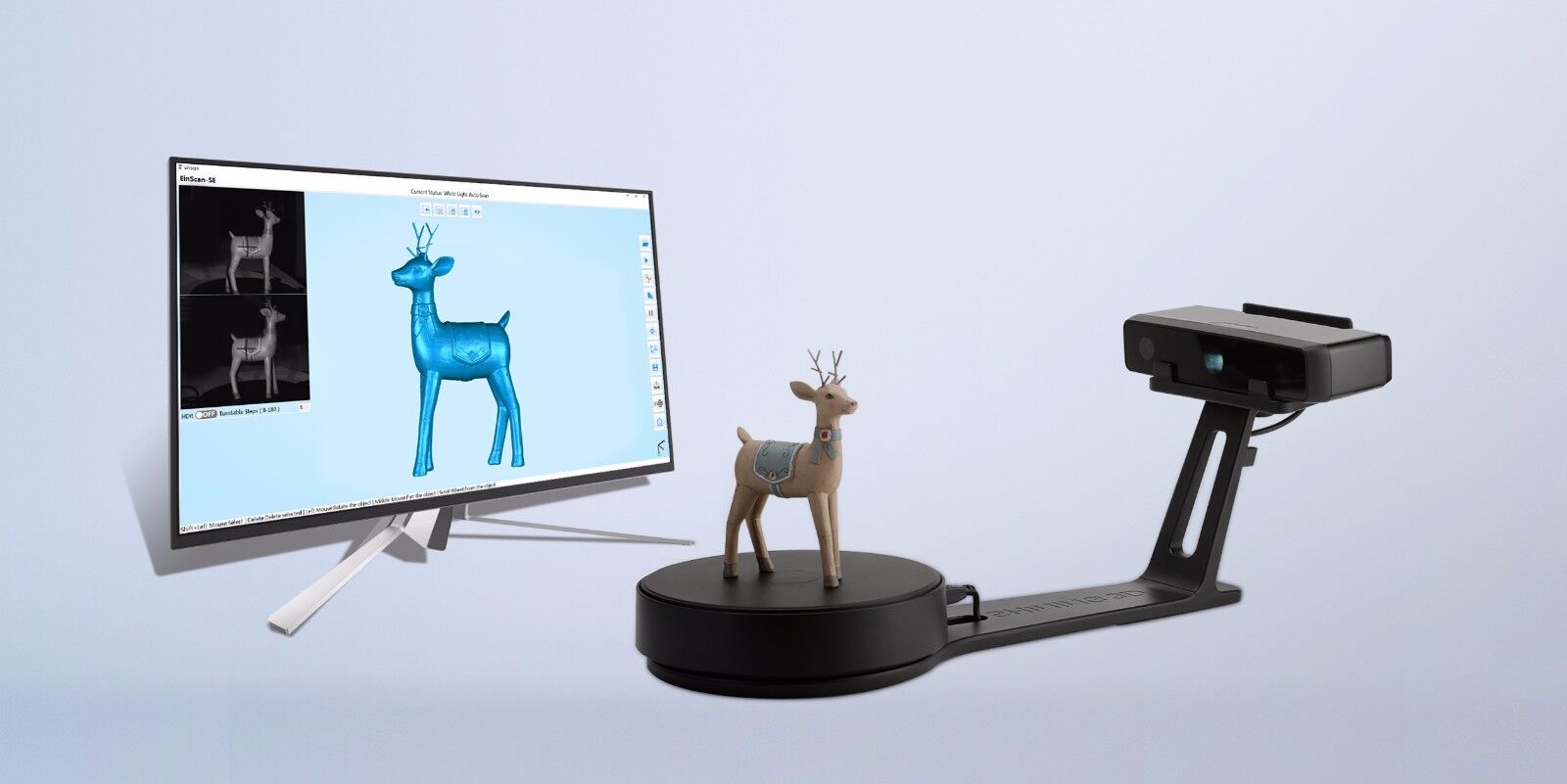
Archaeology, the study of ancient civilizations, artifacts, and historical landscapes, has long relied on traditional excavation and documentation methods. However, with the advent of new technologies, such as 3d scanning, archaeologists now have a revolutionary tool at their disposal. 3D scanning for archaeology is ushering in a new era of discovery and preservation, allowing researchers to capture and analyze ancient sites with unprecedented accuracy and detail. This article will explore how 3D scanning is transforming the field of archaeology, enhancing research, and safeguarding cultural heritage for future generations.
What is 3D Scanning?
At its core, 3D scanning is the process of capturing the physical shape of an object or environment using laser technology or structured light. The scanner collects detailed measurements from multiple angles and then uses specialized software to create a digital 3D model. These models can be explored, studied, and manipulated in a virtual environment. In archaeology, 3D scanning is applied to artifacts, monuments, excavation sites, and even entire landscapes.
Enhancing Discovery and Documentation
One of the primary benefits of 3D scanning for archaeology is its ability to capture objects and sites in their true form, without the need for physical handling. Traditional methods, such as photography or sketching, are useful but often fail to convey the depth and complexity of archaeological findings. 3D scanning, on the other hand, provides a level of detail that allows researchers to study the minutiae of objects, such as wear patterns on pottery, inscriptions on ancient stones, or minute cracks in fossils.
Virtual Excavations and Site Mapping
In large excavation sites, 3D scanning can rapidly map out the entire area, creating a virtual landscape that can be analyzed from any angle. This digital replica can serve as a baseline for future excavations, helping archaeologists track the progress of their work and document any changes over time. Additionally, it allows for virtual excavations, where researchers can explore the site in a virtual environment, manipulating the model to uncover previously inaccessible areas. This greatly enhances the efficiency of archaeological research, particularly in remote or fragile sites where traditional excavation might be too costly or damaging.
Preserving Fragile Artifacts
3D scanning also offers a solution to the preservation challenges posed by delicate or deteriorating artifacts. Many ancient objects, from pottery fragments to ancient sculptures, face the risk of degradation due to time, environmental conditions, or human interaction. By creating high-resolution 3D models, archaeologists can ensure that even if the physical object is lost or damaged, a digital version remains for study and exhibition. This digital preservation method is becoming especially vital for preserving artifacts from war-torn regions or sites threatened by natural disasters.
Advancing Research and Collaboration
The power of 3D scanning for archaeology extends beyond preservation; it also fosters greater collaboration within the global research community. Digital 3D models can be shared instantly with colleagues, universities, and museums around the world, enabling more extensive peer reviews and collaborative projects. This creates a more dynamic and accessible field of study, where the exchange of ideas is no longer limited by geographic or institutional boundaries.
Virtual Museums and Public Engagement
The integration of 3D scanning with virtual reality (VR) technologies has made it possible to create digital museums, where users can virtually walk through ancient ruins or explore artifacts up close, all from the comfort of their own homes. This democratization of archaeological knowledge has also increased public engagement with archaeology. People from around the world can now access and interact with these digital models, which fosters a deeper appreciation for cultural heritage and history.
Non-invasive Analysis
Traditional archaeological methods often require physically handling artifacts or even removing them from their original locations, which can be both invasive and risky. 3D scanning, on the other hand, offers a non-invasive approach to studying and analyzing artifacts. Researchers can examine surface textures, measure dimensions, and even detect internal features, such as cracks or voids, without ever touching the object. This non-invasive analysis helps preserve the integrity of the artifact while still providing crucial information for study.
The Future of 3D Scanning in Archaeology
As technology continues to evolve, the potential applications of 3D scanning for archaeology will only expand. New advancements in scanning resolution, speed, and accessibility are making it easier for archaeologists to capture and study ancient objects and sites. Moreover, as artificial intelligence and machine learning tools continue to develop, they will allow for even more sophisticated analysis of 3D models, enabling archaeologists to uncover hidden patterns or previously overlooked features in their data.
Integration with Other Technologies
In the future, 3D scanning will likely be integrated with other emerging technologies, such as drone mapping, geospatial analysis, and augmented reality (AR). This fusion of technologies will allow for the creation of comprehensive, interactive models of archaeological sites and artifacts. For example, drones equipped with 3D scanners can quickly survey vast archaeological sites, while AR can provide real-time overlays of information when viewing artifacts or ruins in the field.
Conclusion
3D scanning for archaeology is not just a passing trend; it is a transformative technology that is reshaping how archaeologists discover, document, and preserve our shared history. From virtual excavations to digital preservation, the applications of 3D scanning are vast and growing, offering new opportunities for both research and public engagement.